
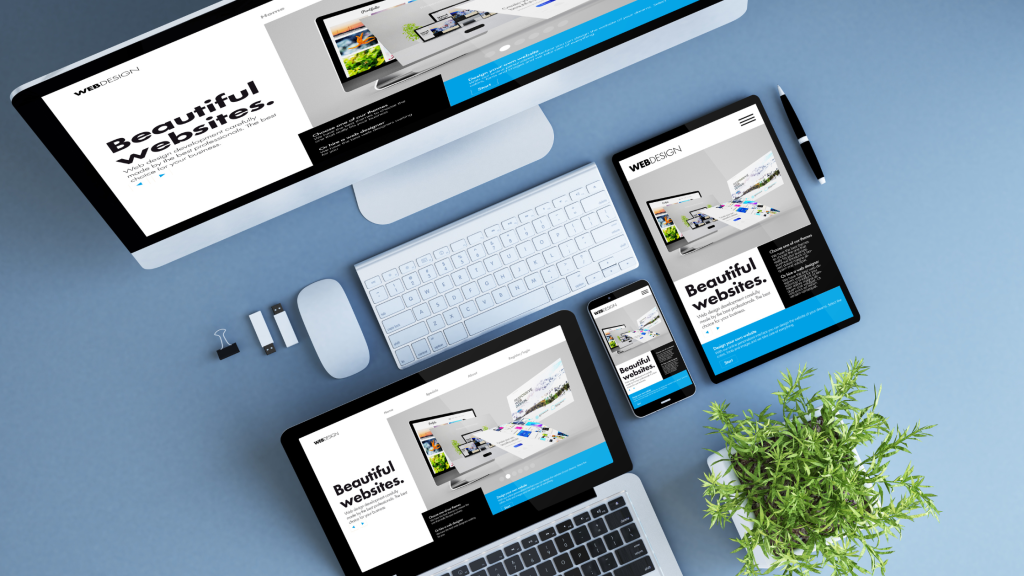
Hey there, fellow creators and hustlers! If you’re anything like me searching for a portfolio website—a web developer knee-deep in WordPress themes, custom plugins, and endless lines of code—you know the grind. You’ve poured your heart into projects that solve real problems, but how do you get them in front of the right eyes? Enter the portfolio website: your digital storefront, your 24/7 salesperson, and your secret weapon for standing out in a crowded market.
In this post, we’ll dive into why a portfolio website isn’t just a “nice-to-have”—it’s essential for professionals in every field. Whether you’re a freelancer chasing gigs, a job hunter dodging the black hole of resumes, or an entrepreneur building your brand, a well-crafted site can open doors you didn’t even know existed. Let’s break it down by purpose, with real-talk tips to get you started.
Portfolio Website For Freelancers: Turning “What Do You Do?” into “When Can We Start?”
As a freelancer, your livelihood depends on trust and visibility. Cold emails and LinkedIn pitches? They’re forgettable. A portfolio website? It’s proof in pixels.
- Showcase Your Best Work: Ditch the static PDF. Embed live demos, case studies, and testimonials. For us devs, that means interactive wireframes or a “before-and-after” on a site’s performance metrics—think loading times slashed from 5 seconds to under 1.
- Attract Clients 24/7: While you’re sleeping (or debugging at 2 AM), your site works. SEO-optimized posts like this one can rank for searches like “WordPress developer near me,” pulling in leads without you lifting a finger.
- Set Your Rates with Confidence: A polished site screams “professional.” Clients see your process, results, and happy collaborators, making it easier to justify that premium hourly rate.
Pro Tip: Use tools like WordPress with Elementor for drag-and-drop magic. Add a contact form that integrates with Calendly—boom, consultations booked.
Portfolio Website For Job Seekers: From Resume Fodder to Hiring Magnet
The job market is brutal. ATS systems chew up resumes, and interviews feel like interrogations. A portfolio flips the script: You control the narrative.
- Humanize Your Experience: Resumes list jobs; portfolios tell stories. Detail that e-commerce site you built on WooCommerce—include metrics like “Boosted conversions by 40% via custom UX tweaks.” Recruiters love quantifiable wins.
- Tailor for the Role: Customize sections for each application. Applying for a front-end gig? Highlight React components. Backend? Dive into API integrations.
- Network Like a Pro: Share your site on LinkedIn, Twitter (or X), and industry forums. It’s not bragging—it’s inviting collaboration. I’ve landed interviews just from a casual “Check out my latest project” link.
Fun Fact: Studies show visual portfolios increase callback rates by up to 30% for creative roles. Why? They make you memorable.
Portfolio Website For Artists and Creatives: Where Inspiration Meets Income
Photographers, designers, writers—you live in visuals and vibes. A portfolio site is your gallery wall, but online and infinite.
- Curate Your Aesthetic: High-res galleries with lazy loading (hello, performance optimization!) let visitors immerse without lag. For illustrators, interactive sliders showcasing process sketches to final art? Chef’s kiss.
- Sell Your Soul (Er, Work): Integrate e-commerce for prints or digital downloads. Platforms like Shopify plugins for WordPress make it seamless.
- Build a Community: Blog about your craft (meta, right?), host webinars, or start a newsletter. It’s not just a showcase—it’s a hub that turns fans into patrons.
If you’re in digital art, tools like Adobe Portfolio integrate beautifully, but for full control, stick with a custom WordPress setup.
Portfolio Website For Businesses and Entrepreneurs: Credibility on Autopilot
Starting a side hustle or scaling a startup? Your website isn’t optional—it’s your foundation.
- Establish Authority: A portfolio of past projects (even MVPs) positions you as the go-to expert. SaaS founders: Feature user growth charts. Consultants: Client logos and ROI breakdowns.
- Drive Leads and Conversions: Landing pages with clear CTAs, integrated analytics, and A/B testing turn visitors into subscribers or customers.
- Scale Globally: No borders here. Optimize for mobile (PWA anyone?), multilingual plugins, and fast hosting to reach audiences worldwide.
Bottom Line: Investors and partners Google you first. A killer site? Instant trust boost.
The Universal Perks: Why It Pays to Invest (Time or Money)
Across all these purposes, a portfolio website levels the playing field:
- SEO and Discoverability: Rank for your niche keywords and get found organically.
- Analytics Insights: Track what’s resonating—who’s viewing your case studies? Tweak accordingly.
- Evergreen Asset: Update once, benefit forever. No more outdated Behance profiles gathering dust.
Sure, building one takes effort (I’m still tweaking mine), but the ROI? Priceless. If you’re on WordPress like me, start with a theme like Astra—lightweight, customizable, and dev-friendly.
Wrapping It Up: Your Portfolio, Your Power Move
Whether you’re freelancing for freedom, job hunting for stability, creating for passion, or building an empire, a portfolio website is the thread that ties your talents to opportunities. It’s not vanity—it’s strategy.
Ready to build yours? Drop a comment below: What’s holding you back, and how can I help? If you’re a WordPress newbie, grab my free checklist for a site that converts (link in bio). Let’s turn your skills into spotlight moments.
Cheers to creating unapologetically,
[Fahim Ashraf]
Web Developer & Portfolio Enthusiast
One Response
weed vapes shipping discreet packaging